Hello! I’m Sophie, the blogger behind this post :)
If you're traveling to Korea, one of the biggest questions you might have is:
"What should I eat?"
Korean cuisine is incredibly diverse, with a wide range of flavors and spice levels.
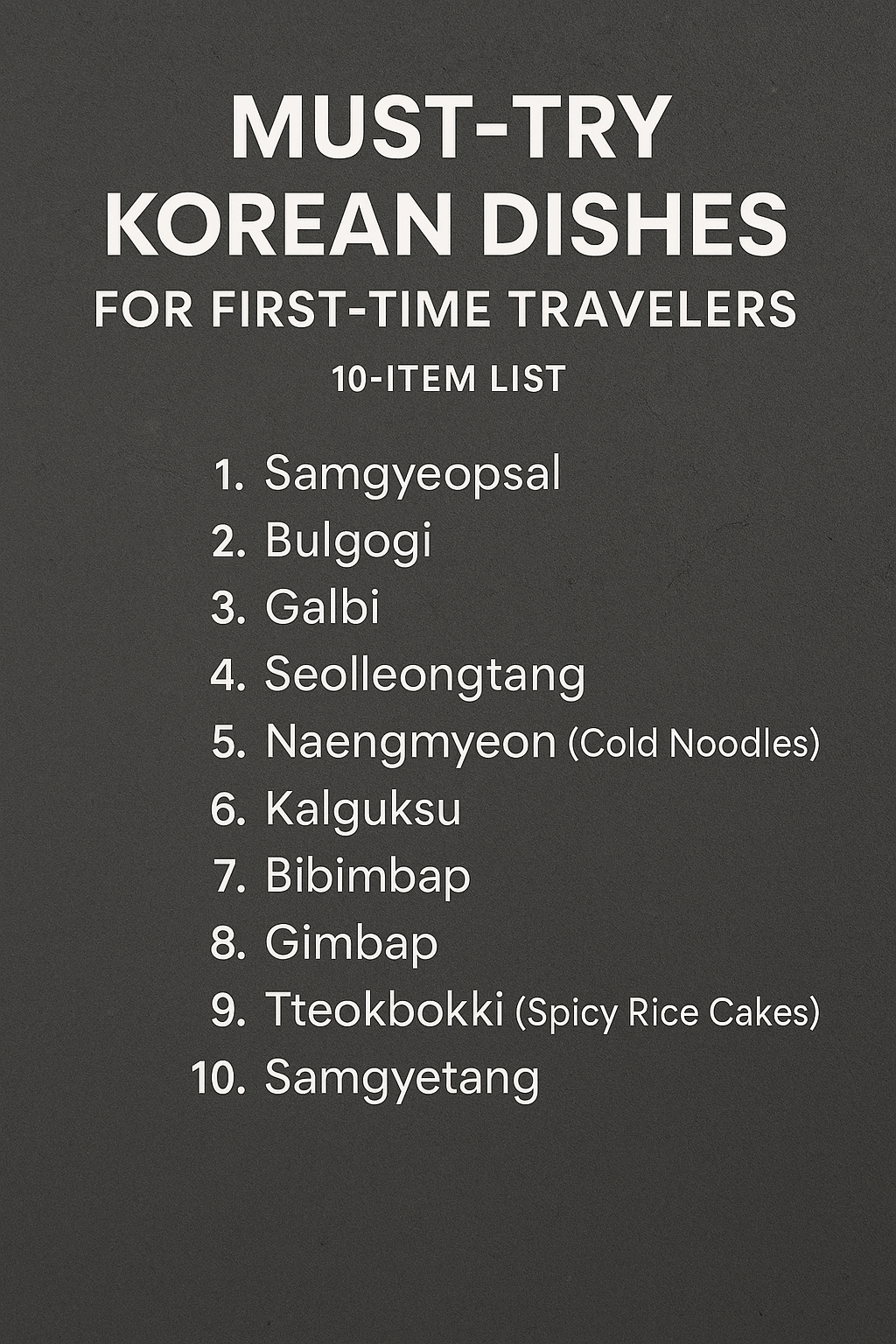
To help you navigate your food journey here, I've put together a list of 10 iconic Korean dishes perfect for first-time visitors.
Each one includes a brief background and a spiciness level indicator to help you choose what suits your taste.
Let’s dive in!
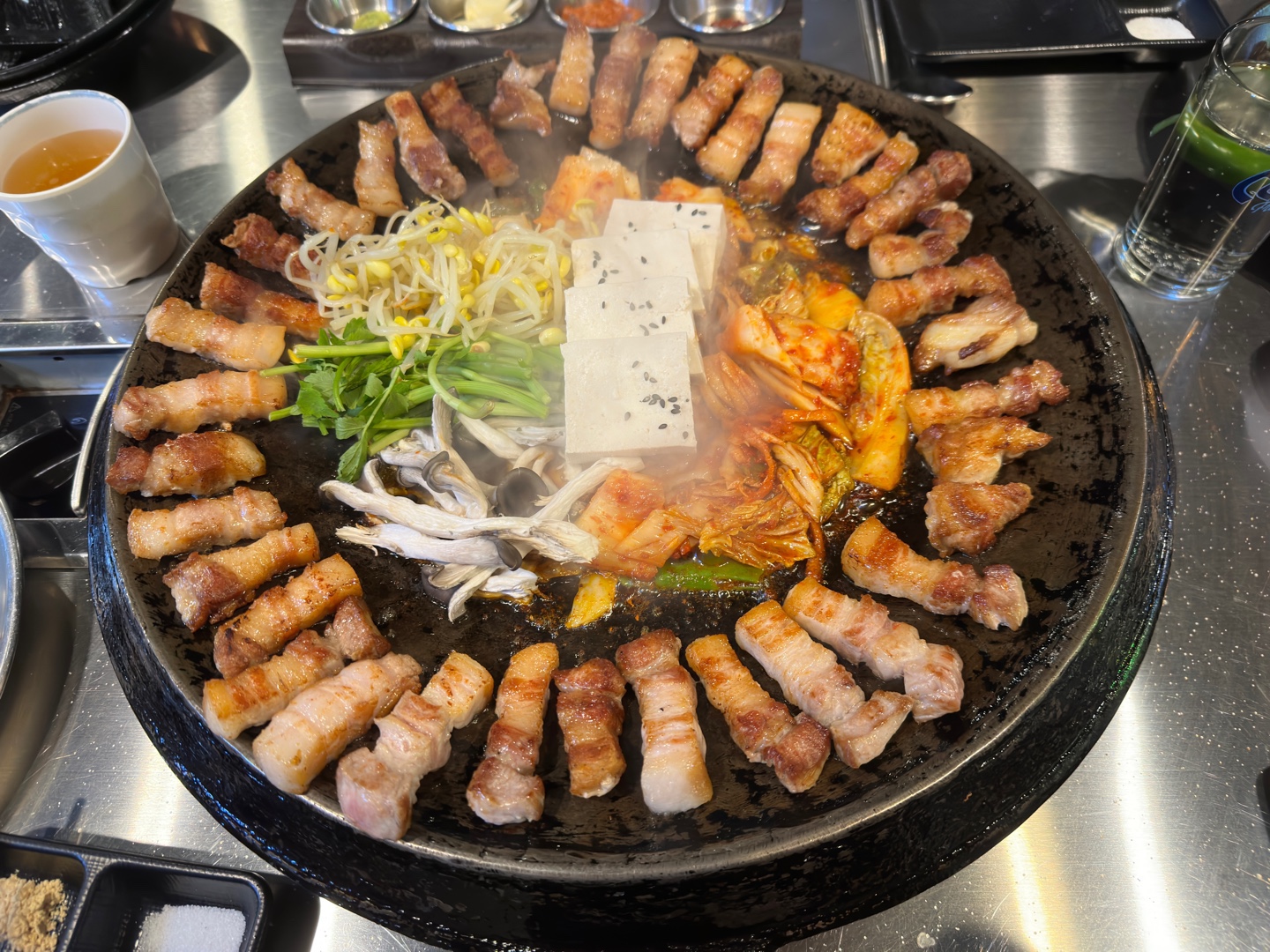
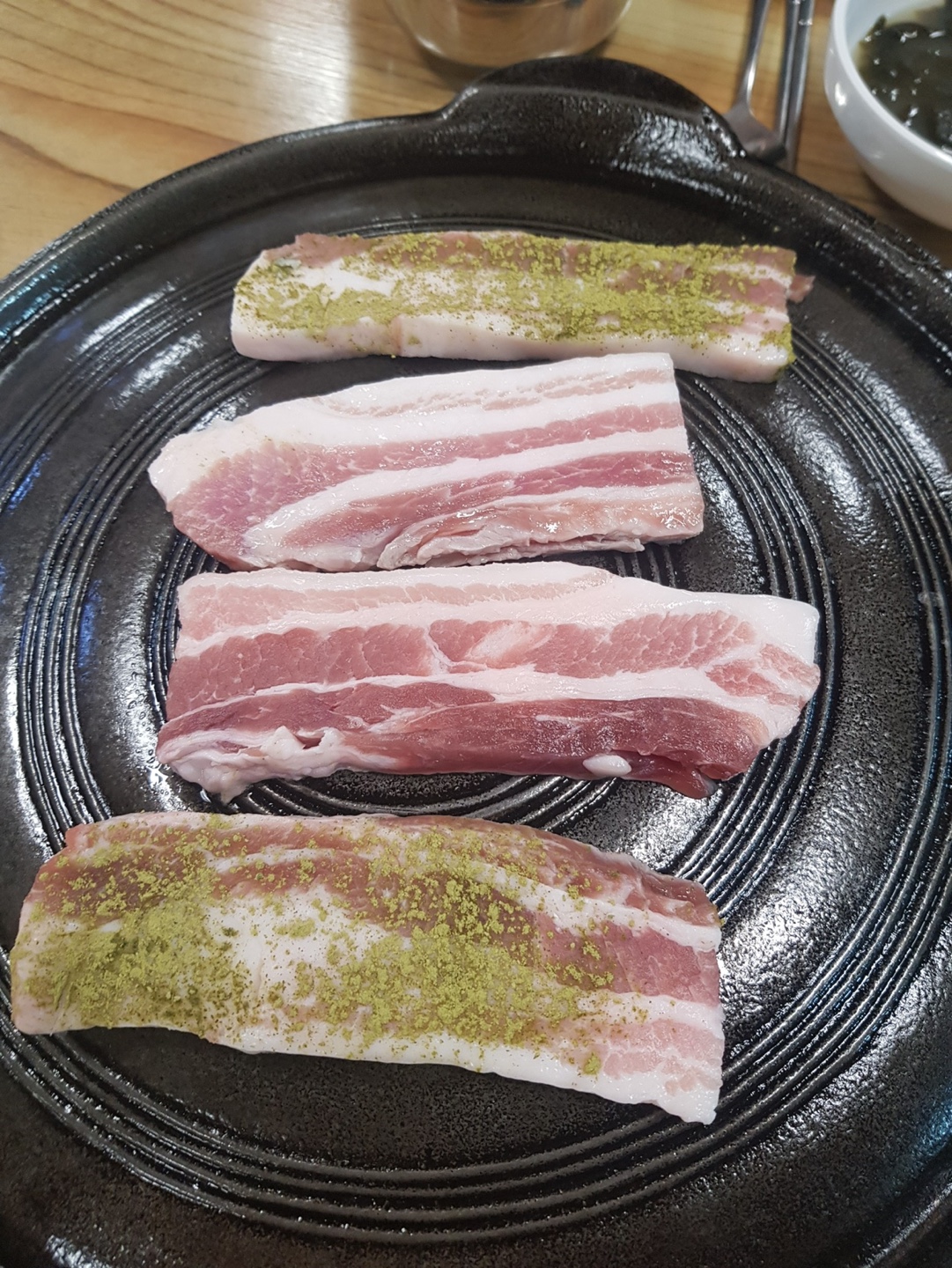
1. 삼겹살 Samgyeopsal (Grilled Pork Belly)
This is the king of Korean BBQ. Thick slices of pork belly are grilled at the table and eaten wrapped in lettuce with dipping sauces, garlic, and green chili peppers.
It became widely popular after the IMF economic crisis in the late 1990s, when pork belly was considered a cheap but tasty cut.
👉 Spiciness: 🌶️~🌶️🌶️ (mild, depending on sauces like ssamjang or chili)
2. 불고기 Bulgogi (Sweet Soy-Marinated Beef)
Thinly sliced beef marinated in a sweet soy sauce mixture, then grilled or stir-fried.
This dish is believed to have originated from “Maekjeok (貊炙)” during the Goguryeo Kingdom, and it's one of the most foreigner-friendly Korean dishes.
👉 Spiciness: 🌶️ (very mild)
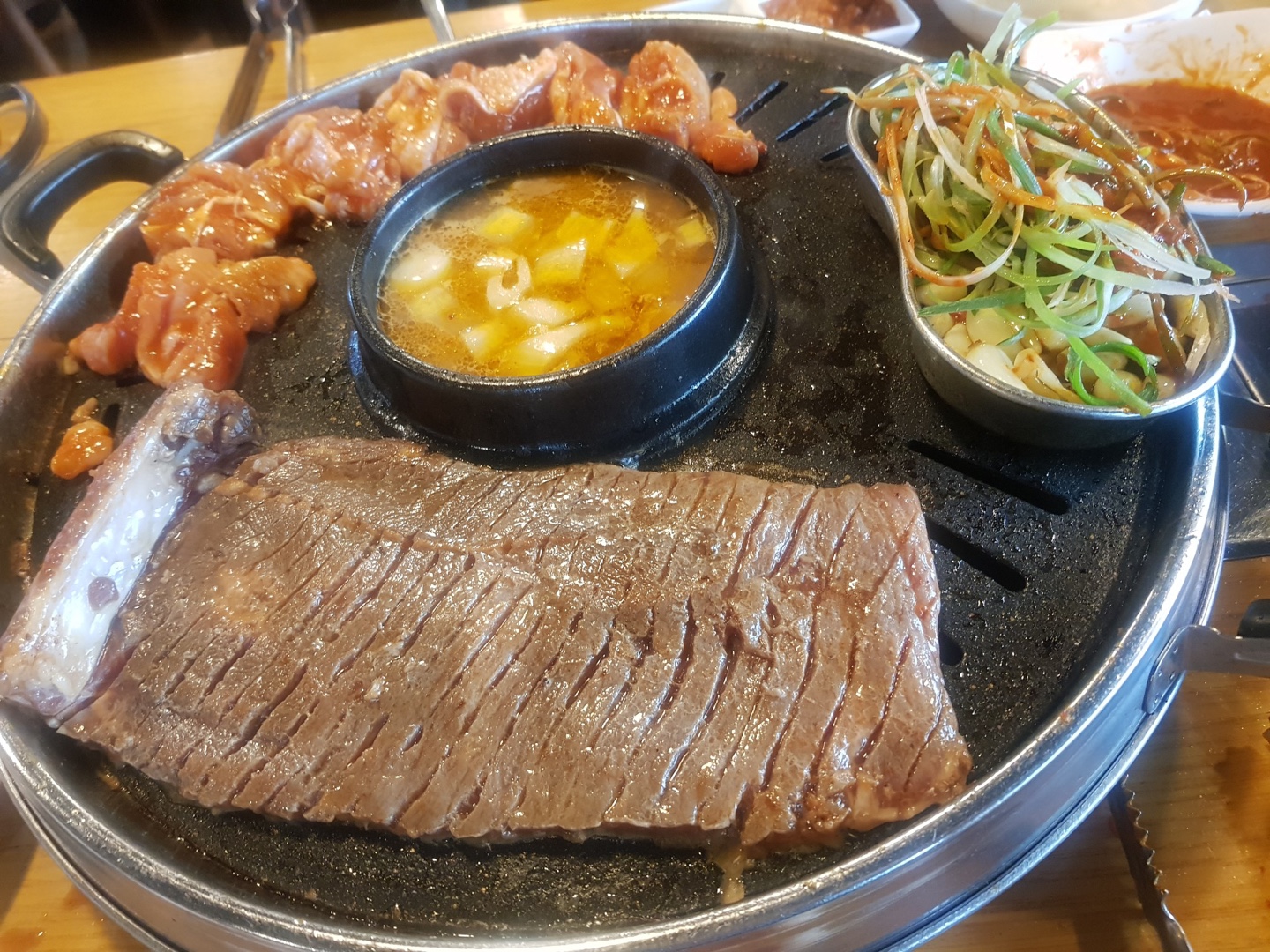
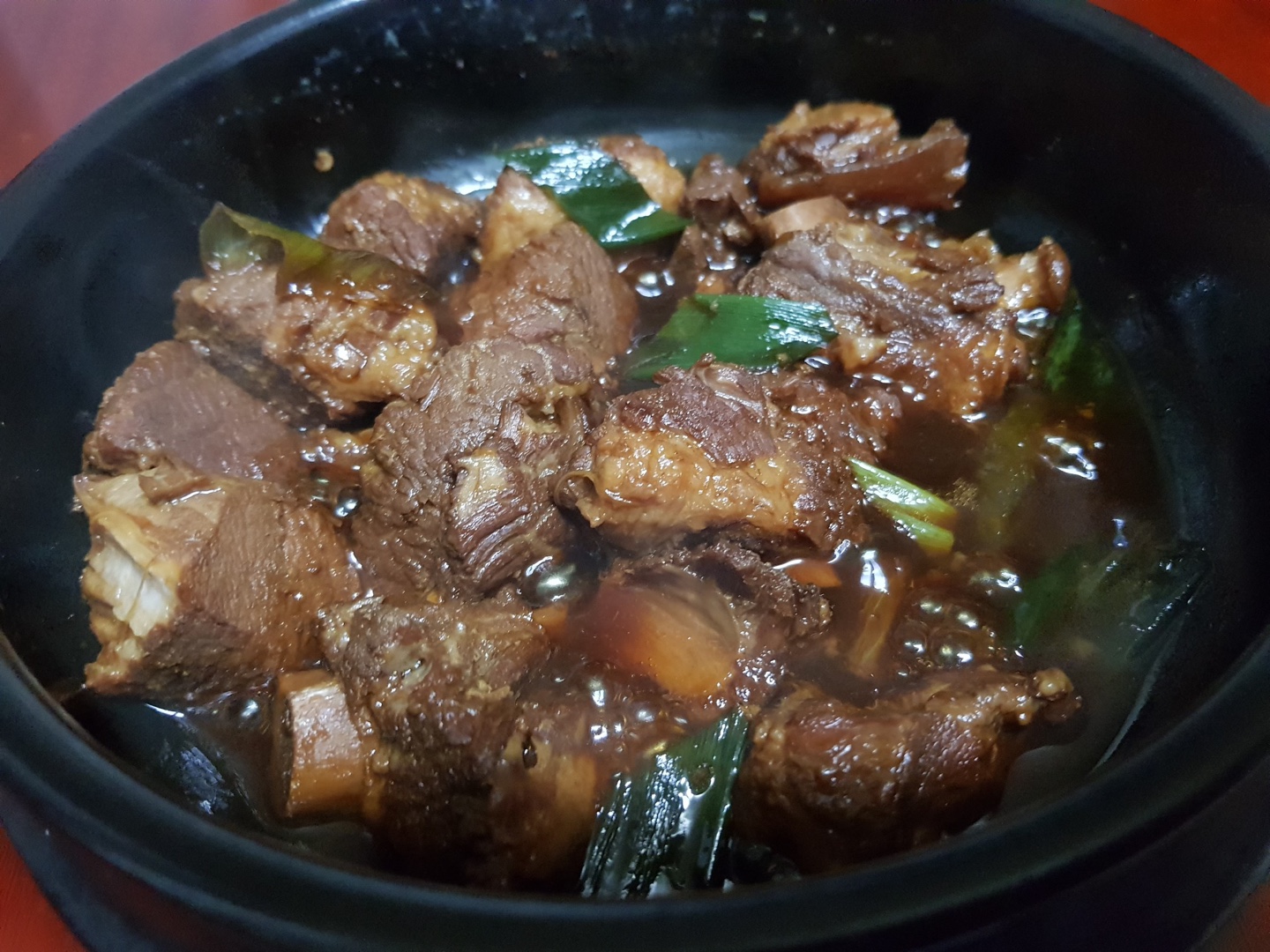
3. 갈비 Galbi (Korean BBQ Ribs)
Marinated beef or pork ribs grilled to perfection.
Traditionally, this dish was served at royal banquets or noble households, and it’s still considered a special-occasion meal today.
👉 Spiciness: 🌶️ (may vary depending on marinade)
4. 설렁탕 Seolleongtang (Ox Bone Soup)
A milky-white soup made by simmering ox bones and meat for hours.
Typically served with rice inside the soup and eaten with kimchi.
According to legend, it originated during the Joseon Dynasty as part of a royal ritual where the king shared food with his people.
👉 Spiciness: None (🌶️)
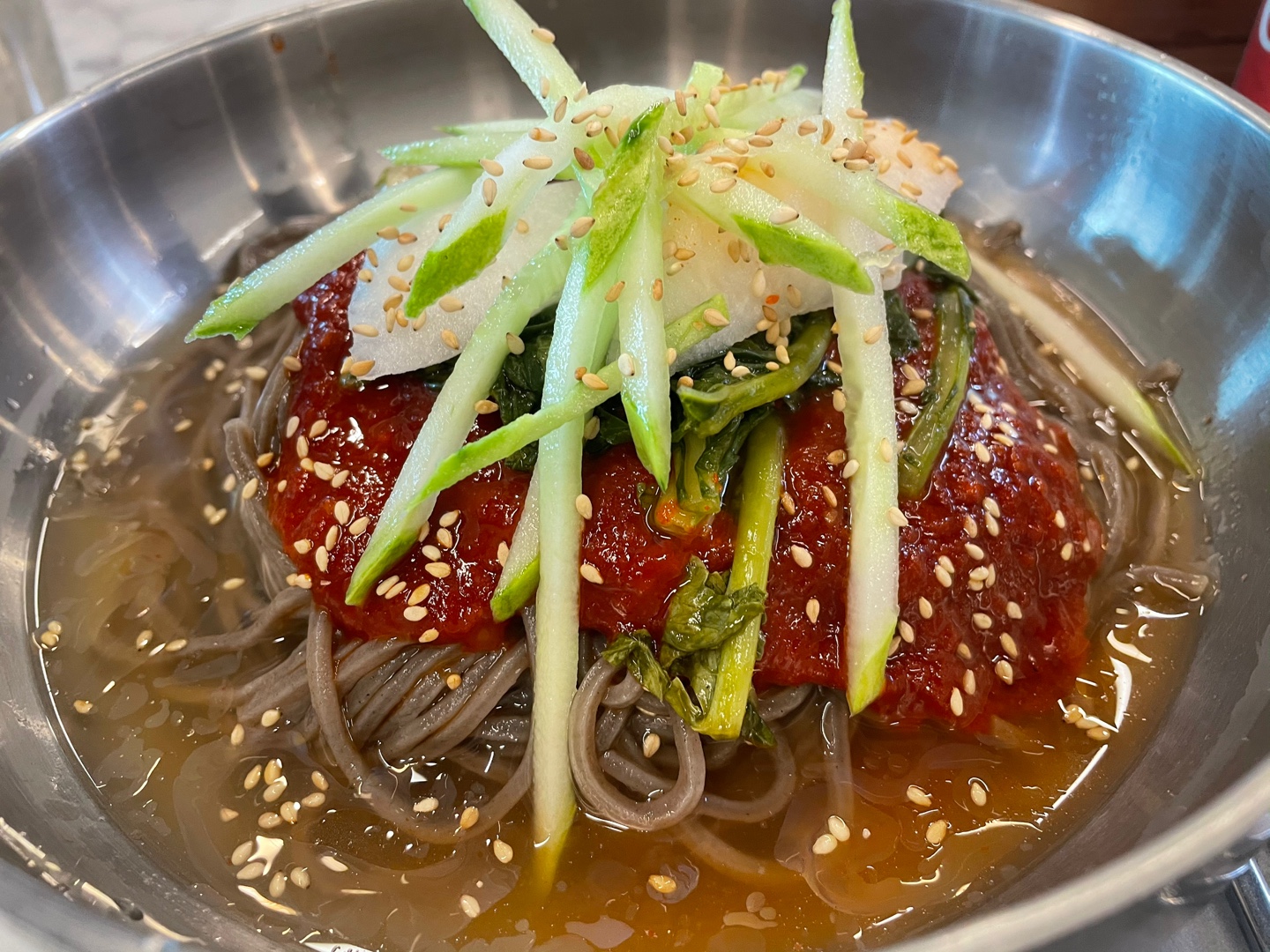
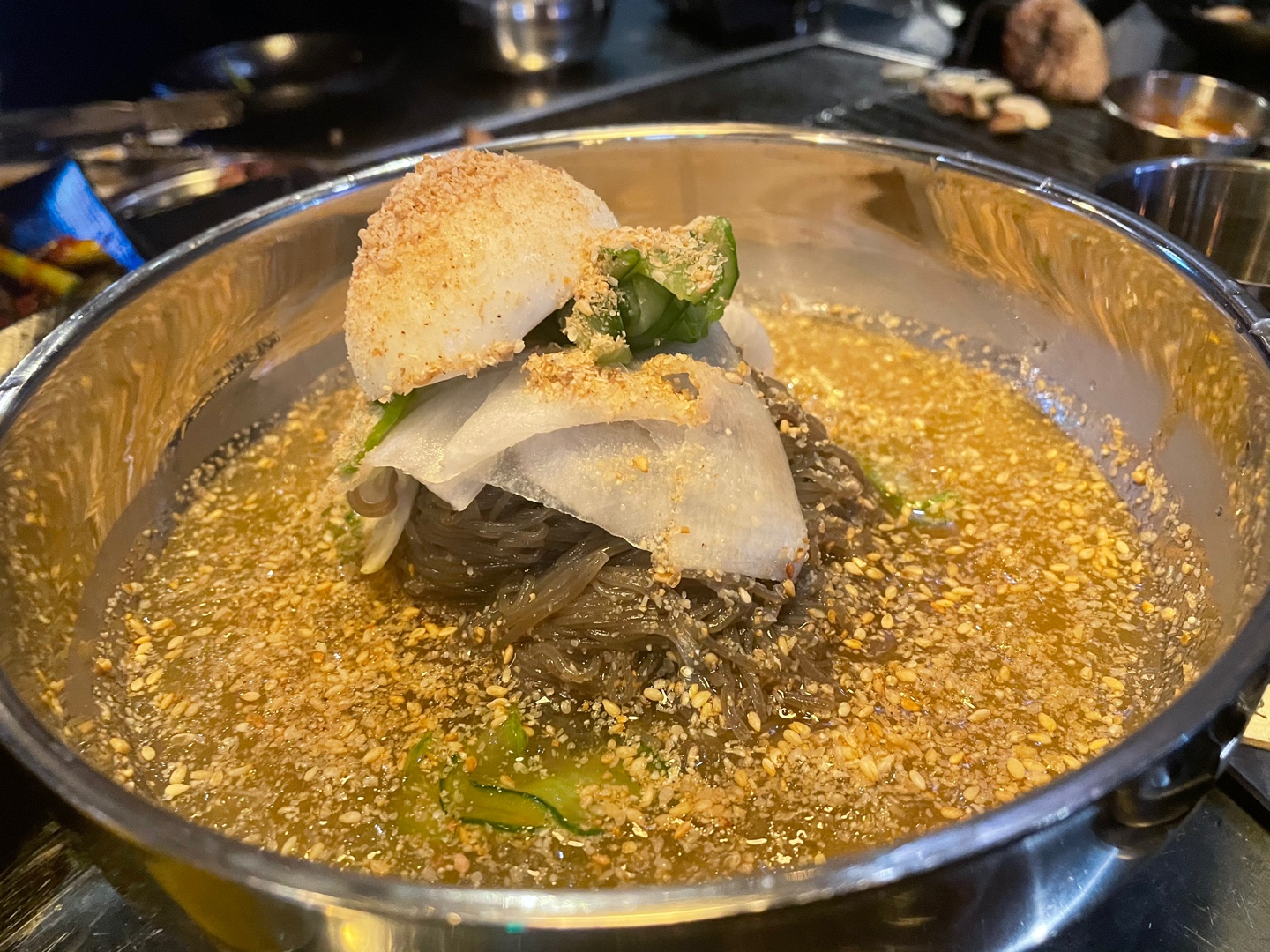
5. 냉면 Naengmyeon (Cold Noodles)
This popular summer dish comes in two main styles: Mul Naengmyeon (cold broth) and Bibim Naengmyeon (spicy sauce).
The dish originated in North Korea’s Pyongyang and Hamhung regions, and the two versions have distinct characteristics:
- Pyongyang Naengmyeon: Buckwheat noodles, light beef and radish broth, soft and subtle flavors.
- Hamhung Naengmyeon: Chewy potato-starch noodles, spicy red pepper paste sauce, often topped with raw fish like skate.
If you’re new to Korean food, try Mul Naengmyeon first for a milder experience.
👉 Spiciness: Bibim 🌶️🌶️🌶️🌶️ / Mul 🌶️
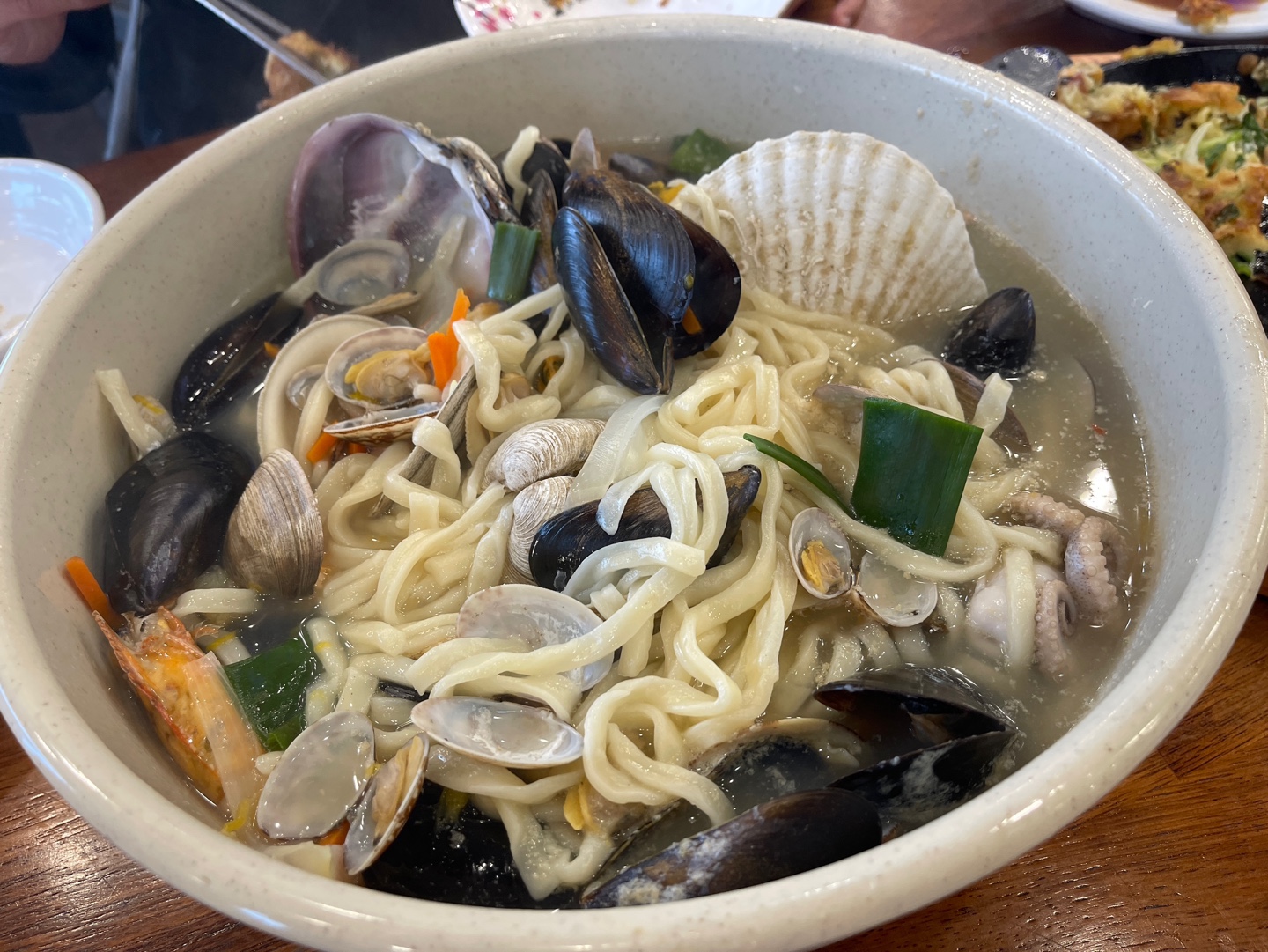
6. 칼국수 Kalguksu (Hand-Cut Noodle Soup )
Wheat-based noodles hand-cut with a knife and served in a hot broth.
This dish originated as a humble meal during the “barley hump” era, when wheat flour was used to feed families during food shortages.
Usually served with clam or chicken broth and vegetables.
👉 Spiciness: 🌶️ (mild unless paired with kimchi or chili oil)
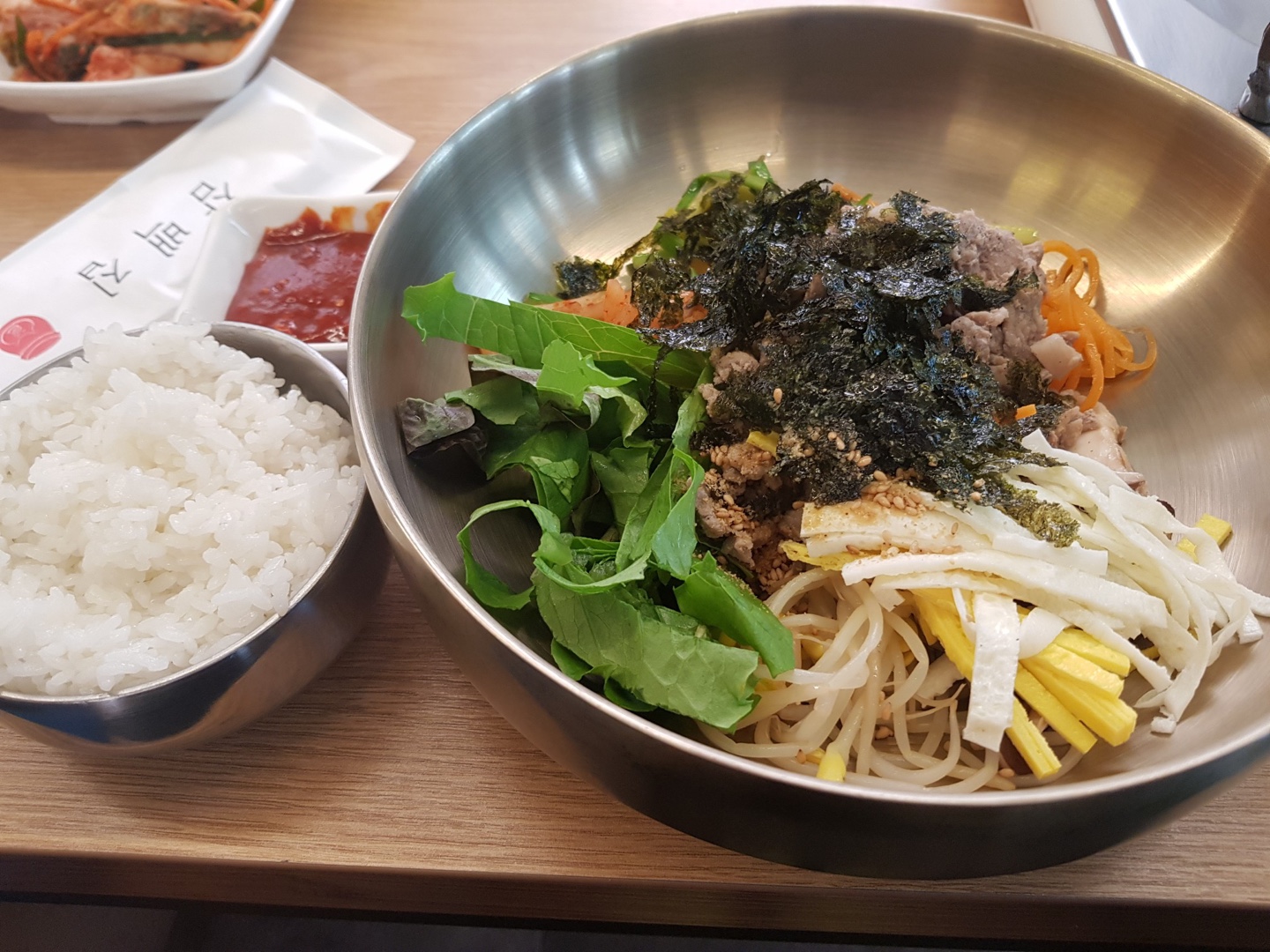
7. 비빔밥 Bibimbap (Mixed Rice Bowl)
A colorful bowl of rice topped with assorted vegetables, beef, egg, and gochujang (red chili paste).
It is said to have originated from frugal traditions of mixing leftover side dishes after feasts, though now it’s a culinary icon.
It’s both visually stunning and delicious—a perfect intro to Korean food.
👉 Spiciness: 🌶️🌶️~🌶️🌶️🌶️ (adjustable based on gochujang)
8. 김밥 Gimbap (Seaweed Rice Rolls)
Steamed rice and fillings like egg, pickled radish, and ham rolled in seaweed and sliced.
Originally influenced by Japanese sushi during the colonial period, Gimbap has evolved into a distinctly Korean dish.
There are many variations like tuna gimbap, vegetable gimbap, or cheese gimbap.
👉 Spiciness: None (🌶️)
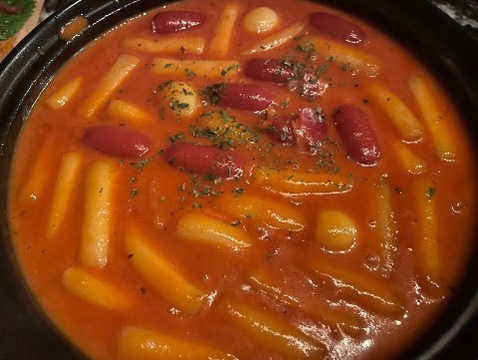
9. 떡볶이 Tteokbokki (Spicy Rice Cakes)
A beloved street food made by stir-frying chewy rice cakes and fish cakes in a sweet and spicy gochujang-based sauce.
Modern spicy versions became popular in the 1950s, replacing the older soy sauce-based royal version.
Today, you can also find creamy alternatives like rosé or cheese tteokbokki.
👉 Spiciness: 🌶️🌶️🌶️🌶️🌶️ (standard version)
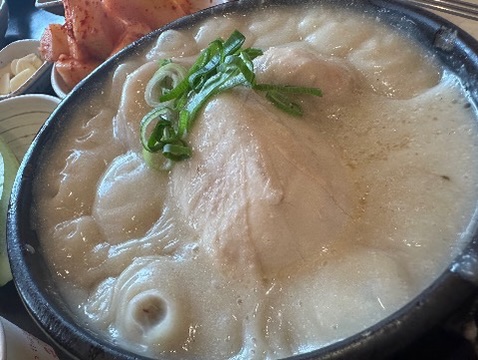
10. 삼계탕 Samgyetang (Ginseng Chicken Soup)
A whole young chicken stuffed with glutinous rice, ginseng, garlic, and jujube, simmered to create a hearty broth.
It’s considered Korea’s most iconic restorative dish, especially during hot summer days.
👉 What is “Boknal”?
In Korea, the hottest days of the lunar calendar are called Boknal—Chobok, Jungbok, and Malbok—and it’s tradition to eat hot, nourishing food like Samgyetang to restore energy.
This is based on the belief of “iyeolchiyeol (fighting heat with heat).”
👉 Try the Perilla Seed Version!
There’s also “Deulkkae Samgyetang” (Perilla Samgyetang), which adds ground perilla seeds to the broth for a nutty and creamy flavor.
It’s especially comforting during winter or when you're feeling under the weather.
👉 Spiciness: None (🌶️)
Final Thoughts 🍽️
There are, of course, many more delicious dishes in Korea. Since I live abroad, I have many foreign friends, and I always find myself thinking hard about which foods to recommend so they can enjoy their trip even more. Koreans are truly passionate about food—our casual greeting is often “Have you eaten?” I hope you’ll try not only the dishes I’ve recommended here, but also explore many others during your visit.
I hope this guide helps you enjoy delicious food and make great memories during your trip to Korea :) If you found this post helpful, feel free to ♥ like or leave a comment below :) Thank you and Have a good day!
'Korea Travel & Food 🇰🇷 > Korea Travel Info' 카테고리의 다른 글
| 2026 Public Holidays in Korea|Travel Tips, Long Weekends & Local Culture (0) | 2025.10.26 |
|---|---|
| The Best Season to Visit Korea: When Should You Go? (0) | 2025.09.15 |

